Common Types, Infestation Signs, and Ant Prevention Tips
A well evolved species, ants are incredibly social creatures that develop colonies that can span across the world – and unfortunately, into our homes.
Latin Name: Formicidae
Measurement: 1.5 – 13mm
Threat Level: 3/10
Nuisance Score: 8/10
Characteristics
Ants are usually thought of as the tiny, hard-working insects bustling about in their tunnels underground. Indeed, ants are eusocial insects renowned for their highly organized colonies, and they are a fascinating species. Their global footprint, diverse in size and shape, makes them a fascinating topic of study.In fact, some scientists believe that there is an ant super colony that spans as far as 6,000km in the Mediterranean region! Ants range from minute critters to surprisingly large varieties. Their signature features include a robust exoskeleton, segmented bodies, antennae for navigation, and six nimble legs that keep them moving.
Biology
With a focus on maintaining their colonies, ants exemplify the beauty of collective survival. Their colonies range from dozens to millions of individuals and are neatly divided into castes, each with a dedicated role. The queen, the colony’s sole reproducer, is served by sterile female workers who carry out essential tasks, from foraging for food to defending the colony. Males generally have a fleeting presence, appearing only for mating before their life cycle ends.Ants are versatile eaters, choosing from insects, plants, and, surprisingly, fellow ants for meals. They also play the scavenger role, consuming everything from waste to deceased animals. In doing so, ants become ecological regulators, keeping other insect populations in check. Ants exchange food with one another by a process called trophallaxis, whereby they feed each other through regurgitation of food from one ant’s mouth into another. As disgusting as this may sound to you and I, it’s actually a very effective way to share food amongst the colony.
Habitat
Ants are very adaptable, making habitats in forests, grasslands, and deserts, and yes, even our homes. Warm, moist environments are their preferred spaces; where they fashion nests out of soil, wood, or other materials. Some species like carpenter ants are known to carve out intricate nests in wooden structures which can pose a serious risk to homeowners.
Human Interaction
While ants may seem like bothersome invaders, particularly when they actively infiltrate our homes, they’re not entirely undesirable. They can help control other insect populations and even assist in plant pollination. However, their presence in our homes is an unwelcome one. Ants can lead to food contamination, property damage, and in some cases, painful bites which can have serious consequences should someone develop an allergic reaction.
Pest Control
If ants have overrun your home and you’re finding it challenging to manage, consider reaching out to a professional pest control company. Their experience and expertise can provide a quick and effective solution to your ant problem.
Why Identifying Ant Signs Early is Crucial
Ants are resourceful pests that can quickly establish large colonies inside walls, under floors, or in outdoor spaces. Detecting an infestation early can prevent widespread issues, from food contamination to structural damage. Addressing the problem promptly helps maintain a clean and pest-free home.
Aruza Pest Control services areas with common ant species, including carpenter ants, fire ants, and pavement ants. Understanding their behaviors and the warning signs they leave behind is essential in preventing a full-blown infestation.
What Do Ants Look Like?
Adult Ants
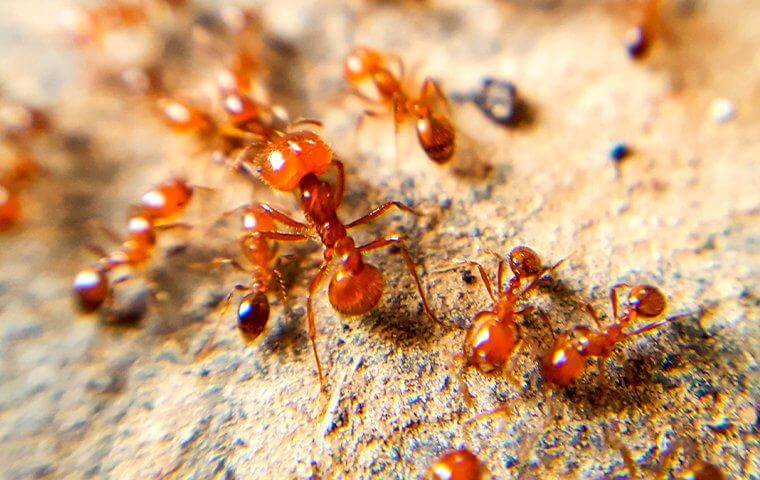
Adult ants vary in size and color depending on the species. Most ants are between 1/16 to 1/2 inch long, with segmented bodies consisting of a head, thorax, and abdomen. Their colors range from black and brown to red and yellow. Carpenter ants, for example, are larger and capable of causing structural damage.
Ant Larvae
Ant larvae are tiny, white, and resemble small maggots. They mature into worker ants, soldiers, or reproductive ants, depending on the colony’s needs. Because of their small size, they are often mistaken for other insect larvae, making proper identification crucial.
Winged Ants (Alates)
Winged ants, also known as alates, emerge during warm seasons to establish new colonies. These flying ants are frequently confused with termites, but they can be distinguished by their elbowed antennae, narrow waists, and uneven wing lengths.
Signs of an Ant Infestation
- Ant Trails
Ants communicate using pheromone trails to guide other colony members to food sources. If you notice a consistent line of ants traveling in and out of your home, this likely indicates an infestation. - Ant Nests
Ant nests can be found inside walls, beneath floors, within insulation, or outdoors in soil, wood, or mulch. Carpenter ants, in particular, tunnel through wood to create nests, potentially compromising structural integrity. - Piles of Frass (Wood Shavings)
Unlike termites, carpenter ants do not eat wood but rather remove it to create tunnels. This results in piles of sawdust-like frass near baseboards, windowsills, and wooden structures, signaling their presence. - Discarded Wings
After mating, winged ants shed their wings. Finding these discarded wings near doors, windows, or other entry points is a sign that ants may be establishing a new colony indoors. - Food Contamination
Ants are constantly foraging, and an infestation may become evident when they are found around crumbs, pet food, or exposed pantry items. Their presence can lead to contamination of food supplies.
Ant Bites: Are They a Concern?
Some ant species, like fire ants, deliver painful stings that can cause allergic reactions in sensitive individuals. While most ants do not pose direct harm, their presence increases the risk of foodborne illness and other pest issues.
How to check for ants in your home and yard
Use the following steps to inspect your property for ants:Look for visible trails along baseboards, countertops, and entry points.Check for small openings in wood, which could indicate carpenter ant activity.Inspect dark, moist areas such as under sinks, behind appliances, and inside crawl spaces.Examine outdoor areas for signs of ant nests in soil, mulch, or wood piles.
Ants in House vs. Ants in Yard
Ant activity is common outdoors, but when ants start invading indoor spaces, they become a bigger concern. If ants are present in your yard, monitor their activity and remove potential attractants like standing water and food sources. If you find ants inside, it’s best to take immediate action before the infestation spreads.
What to Do If You Have Ants
- Identify the species and locate the source of the infestation.
- Seal food sources and eliminate entry points.
- Use bait stations or professional-grade ant treatments.
- Contact Aruza Pest Control for expert inspection and treatment solutions.
By being proactive and recognizing the early warning signs of an ant infestation, homeowners can take control before the problem worsens.
Aruza Pest Control provides comprehensive ant control solutions to keep your home safe and pest-free. For effective ant management, visit Aruza Ant Control Services.